
28075 Bradley Rd, Menifee CA 92586
(951) 309-9470


Experience our empowering Taekwondo & Mixed Martial Arts training for all ages. Discover discipline, build confidence, and enhance fitness in Menifee, CA. Start your journey with a free trial class today!
Special: 2 Weeks for $49 - Come try a free class!
GET STARTED

Claim Our Offer
Claim our exclusive web offer and take advantage of our Free Trial Class

Schedule Your Trial
Book a time to visit, take a tour of our school, and try a class

Start Your Journey!
Enjoy your class and get immersed in the martial arts culture and spirit!
About Us
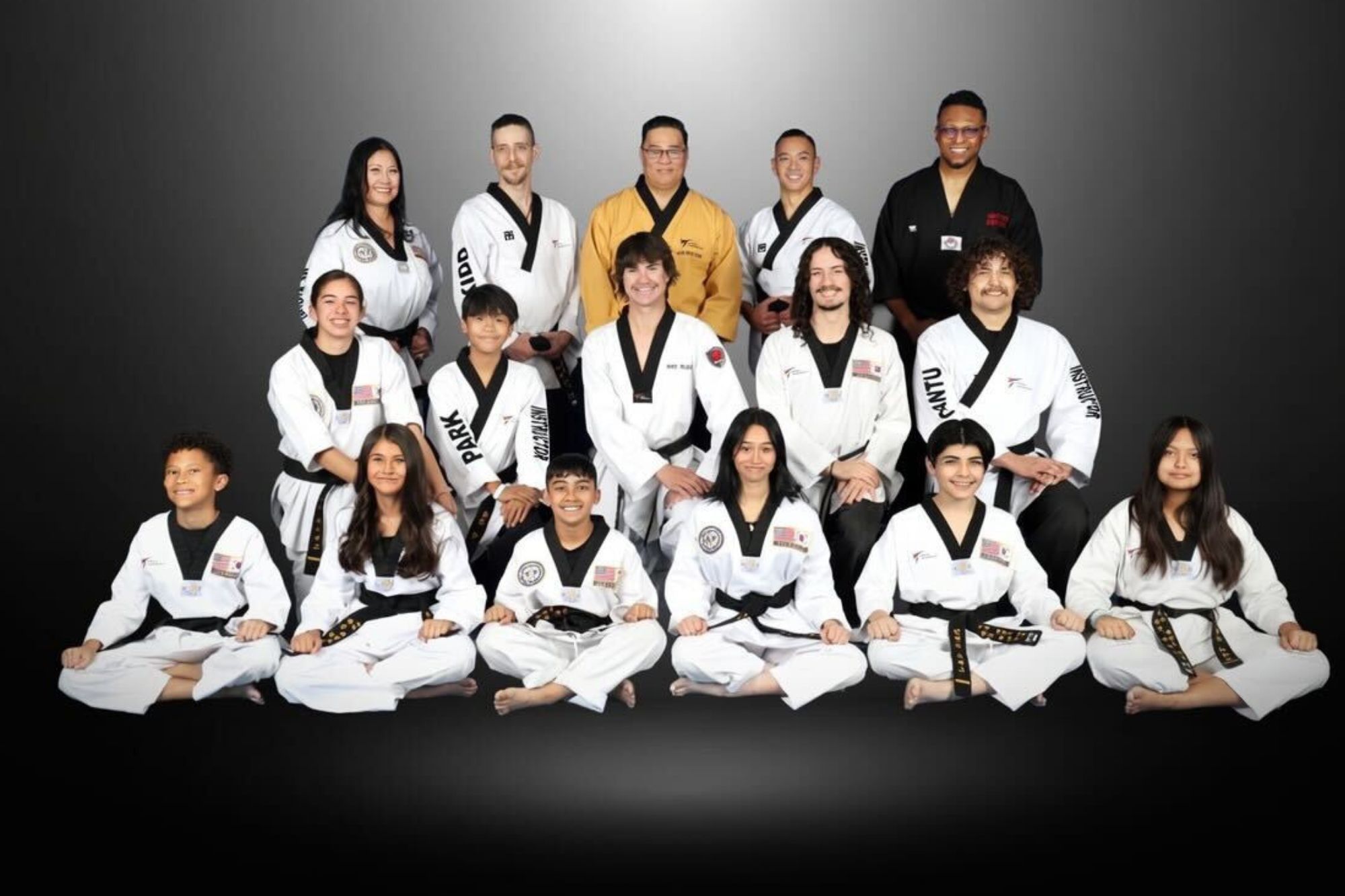
Welcome to our school
Hello parents, and thank you for considering Total Impact Martial Arts for your child.
We know how important it is to find an activity that nurtures discipline, confidence, and respect. Inspired by Taekwondo and Mixed Martial Arts (MMA), we aim to guide every student toward personal growth—not just in martial arts, but in everyday life.
Whether they’re learning new techniques or discovering their own strengths, our staff is here to provide a safe, encouraging environment. We look forward to welcoming you and your family into our TIMA community.
PROGRAMS

A path for every student
Learn more about our programs designed to help students of all ages and levels grow.
"A Black Belt is a White Belt That Never Gives Up"
our latest articles
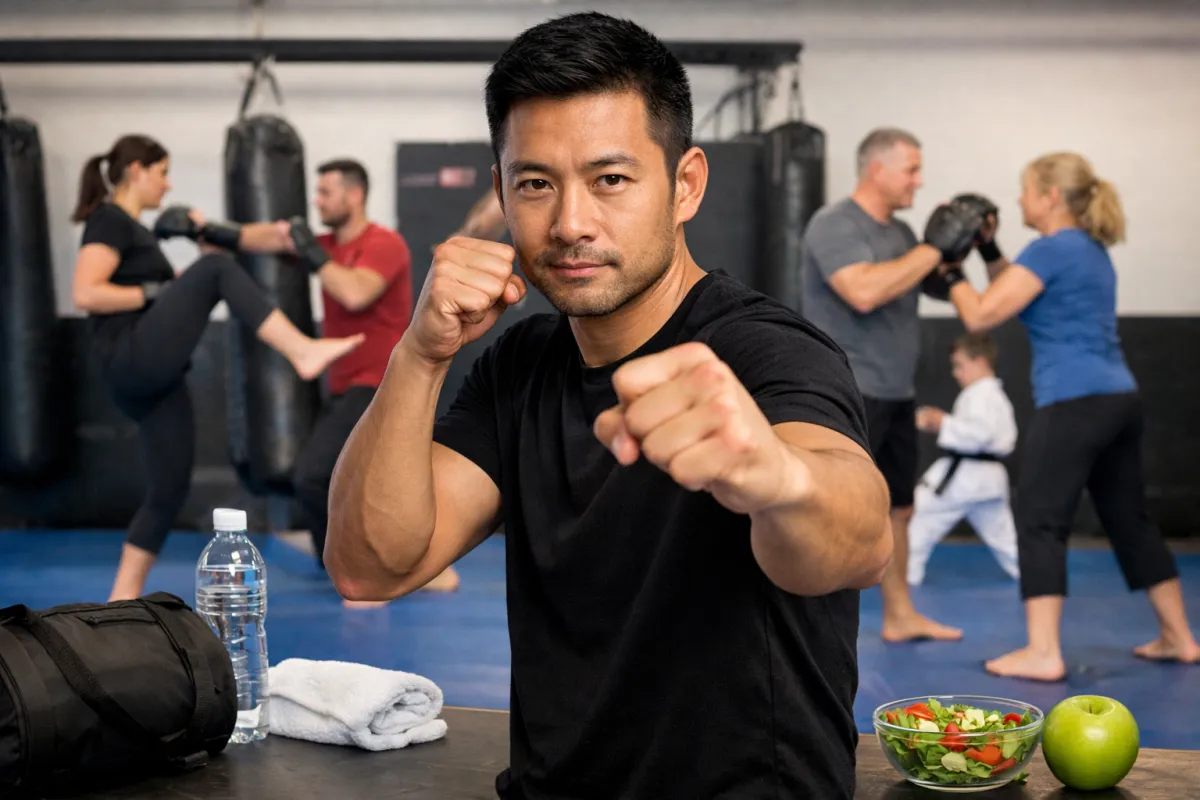
Simple Steps for Menifee Beginners to Boost Wellness with Martial Arts
Menifee residents, busy parents, students, and adults who want beginner martial arts training, often feel stuck between wanting better daily well-being and not knowing where to begin. Long workdays, screen-heavy routines, and low-energy weeks can make physical and mental health feel like one more thing to manage instead of something that supports everything else. Adding self-defense skills can feel intimidating at first, especially without a clear, structured path that builds confidence over time. A steady practice can help the body feel stronger and the mind feel calmer.
What “Looking and Feeling Your Best” Means
Looking and feeling your best is not one perfect body or a constant good mood. It means building a realistic baseline where your body has solid basics, your mind feels steadier, and your emotions are supported. A helpful way to frame it is that optimal health is meant for each of us, harmony of both heart and mind, not an all-or-nothing standard.
This matters because beginners often quit when progress feels fuzzy or too big. When you track physical energy, mental stress, and emotional balance together, your goals become clearer and easier to stick with. It also helps explain why motivation can dip, since 27% of Americans said that a lack of willpower was preventing them from making lifestyle changes.
Think of martial arts like tuning a car, not repainting it. Conditioning improves stamina, calm breathing settles nerves, and simple wins build confidence that carries into work and home. With this definition in place, choosing doable routines and self-care options gets much simpler.
Pick 10 Beginner-Friendly Upgrades You’ll Actually Do
Feeling and looking your best comes down to a few basics you can repeat: move your body, manage stress, eat in a steady way, and choose goals that fit your real energy, not your “perfect” energy.
Do the 10-minute “move + breathe” starter: Set a timer for 10 minutes and alternate 30 seconds of easy movement (march in place, air squats to a chair, wall push-ups) with 30 seconds of slow nose breathing. This supports both physical fitness and mental calm, which helps the mind-body connection actually show up in daily life. If 10 minutes feels like a lot, start with 5 and “win” on purpose.
Use a self-care minimum (and call it a win): Pick 2 non-negotiables for rough days, like a shower and a 5-minute walk, or stretching and an early bedtime. The goal is consistency, not intensity, and approach yourself with compassion when the day doesn’t go as planned. When you keep the minimum, you protect your emotional well-being instead of spiraling into “I failed.”
Eat one “balanced plate” per day: Keep it simple: half the plate of colorful produce, a palm of protein, a fist of carbs, and a thumb of healthy fat. If you’re busy, make it “assembly style” (rotisserie-style chicken, bagged salad, microwavable rice, olive oil). One solid meal a day stabilizes energy, mood, and workouts without trying to overhaul everything at once.
Try the “2 days martial arts + 1 day strength” schedule: Two beginner martial arts classes per week plus one short strength session (15–20 minutes of squats, hip hinges, rows, planks) builds fitness without burning you out. Martial arts benefits for beginners include coordination, confidence, and stress release, especially when you keep the plan realistic. A simple schedule matters because 80% of beginners quit when the start feels too hard or too complicated.
Create a 5-move mobility routine for joints: Choose five moves you can do daily in 6–8 minutes: neck circles, shoulder rolls, hip circles, calf stretch, and a gentle spinal twist. This helps you feel better between classes and reduces the “I’m too sore to go” problem. Do it while the coffee brews or right after brushing your teeth.
Pick one “confidence drill” for self-defense basics: Practice a strong stance, hands up, and a clear boundary phrase (like “Back up”) for 60 seconds a day. This is less about fighting and more about nervous-system training, your body learns what “ready” feels like. If you’re training taekwondo or MMA, you’ll recognize these positions in class, so practice clicks faster.
Start a hobby that supports recovery, not just productivity: Choose something that calms you down and keeps you engaged, walking a local trail, light gardening, drawing, or cooking one new recipe. Growth counts as self-care too, and learning something new can refresh motivation when workouts feel repetitive. Aim for one session a week so it stays fun.
Weekly Habits That Make Martial Arts Stick
These habits keep Menifee beginners steady between classes, so wellness and self-defense skills build without feeling overwhelming. They turn “I should train” into simple cues you can follow on busy weeks.
Bag-by-the-Door Class Prep
●What it is: Pack gear, water, and a snack right after your last class.
●How often: Twice weekly
●Why it helps: Fewer decisions means you show up even when motivation dips.
Two-Minute Stance Check
●What it is: Practice athletic stance, hands up, eyes forward, then reset.
●How often: Daily
●Why it helps: It wires confident posture into your nervous system.
Slow Tap-Out Breath
●What it is: Use a reducing pain style self-soothing touch on your chest with slow exhales.
●How often: 3 nights weekly
●Why it helps: It downshifts stress so you recover and sleep better.
Technique Note + One Fix
●What it is: Write one class takeaway, then choose one tiny correction to drill.
●How often: After every class
●Why it helps: It speeds progress without overthinking every detail.
Walk-and-Scan Practice
●What it is: Take a 10-minute walk while noticing exits, people, and spacing.
●How often: Weekly
●Why it helps: You build calm awareness that supports real-world self-defense.
Common Beginner Questions, Answered
Q: What are some beginner-friendly ways to start incorporating martial arts into my daily routine to boost my well-being?
A: Pick one tiny action you can repeat, like a 3-minute mobility warm-up after brushing your teeth or one short footwork drill before dinner. Keep your first goal simple and personal, since set clear, realistic goals helps you stay consistent when life gets busy. If your schedule is tight, book two fixed training windows and protect them like appointments.
Q: How can structured martial arts training help reduce stress and build confidence for beginners?
A: Classes give you a predictable routine: warm-up, skill practice, and a clear finish, which can calm mental noise. Since Americans report frequent stress, having a place to focus on one task at a time is a practical relief. Confidence builds when you track small wins, like cleaner balance, steadier breathing, or better focus under light pressure.
Q: What self-care practices complement martial arts training for overall physical and mental health?
A: Prioritize sleep, hydration, and simple protein-forward meals so your body actually adapts to training. Add 5 to 10 minutes of easy stretching or a short walk on non-training days to reduce stiffness and keep your mood steady. If stress spikes, try a two-minute breathing reset before you drive home so you do not carry tension into the evening.
Q: How can starting a new hobby like martial arts help me overcome feelings of being stuck or overwhelmed?
A: Martial arts turns big life stress into small, doable tasks: one stance, one combo, one round. Learning that basic stance and movement matters most early on gives you permission to be new and still make progress. When you show up regularly, you build momentum and a stronger identity as someone who follows through.
Q: If I’m feeling unsure about my next steps in life and need more direction, what resources can help me find clearer guidance and structure?
A: Start by writing a one-page plan with three anchors: training days, a bedtime routine, and one weekly check-in to review what is working. If work pressure is driving your stress, consider a conversation with a licensed counselor or career coach, as well as checking out University of Phoenix careers. Use martial arts as your steady baseline routine while you test small changes and keep what improves your energy.
Start Small with Martial Arts for Steady Wellness Gains
It’s easy to feel stuck between wanting better health and a schedule, stress, or uncertainty that keeps getting in the way. The way forward is simple: lean on consistent well-being strategies, focus on practical health implementation, and accept that beginner progress is built through repeatable choices, not perfect plans. With that mindset, and a little motivational support for beginners, martial arts becomes a steady path toward achieving physical and mental balance. Consistency turns martial arts into a simple, repeatable wellness habit. Choose one class time to commit to this week and treat it as the first step in starting a wellness journey. That steady rhythm matters because it builds resilience and stability you can carry into school, work, and everyday life.

Simple Steps for Menifee Beginners to Boost Wellness with Martial Arts
Menifee residents, busy parents, students, and adults who want beginner martial arts training, often feel stuck between wanting better daily well-being and not knowing where to begin. Long workdays, screen-heavy routines, and low-energy weeks can make physical and mental health feel like one more thing to manage instead of something that supports everything else. Adding self-defense skills can feel intimidating at first, especially without a clear, structured path that builds confidence over time. A steady practice can help the body feel stronger and the mind feel calmer.
What “Looking and Feeling Your Best” Means
Looking and feeling your best is not one perfect body or a constant good mood. It means building a realistic baseline where your body has solid basics, your mind feels steadier, and your emotions are supported. A helpful way to frame it is that optimal health is meant for each of us, harmony of both heart and mind, not an all-or-nothing standard.
This matters because beginners often quit when progress feels fuzzy or too big. When you track physical energy, mental stress, and emotional balance together, your goals become clearer and easier to stick with. It also helps explain why motivation can dip, since 27% of Americans said that a lack of willpower was preventing them from making lifestyle changes.
Think of martial arts like tuning a car, not repainting it. Conditioning improves stamina, calm breathing settles nerves, and simple wins build confidence that carries into work and home. With this definition in place, choosing doable routines and self-care options gets much simpler.
Pick 10 Beginner-Friendly Upgrades You’ll Actually Do
Feeling and looking your best comes down to a few basics you can repeat: move your body, manage stress, eat in a steady way, and choose goals that fit your real energy, not your “perfect” energy.
Do the 10-minute “move + breathe” starter: Set a timer for 10 minutes and alternate 30 seconds of easy movement (march in place, air squats to a chair, wall push-ups) with 30 seconds of slow nose breathing. This supports both physical fitness and mental calm, which helps the mind-body connection actually show up in daily life. If 10 minutes feels like a lot, start with 5 and “win” on purpose.
Use a self-care minimum (and call it a win): Pick 2 non-negotiables for rough days, like a shower and a 5-minute walk, or stretching and an early bedtime. The goal is consistency, not intensity, and approach yourself with compassion when the day doesn’t go as planned. When you keep the minimum, you protect your emotional well-being instead of spiraling into “I failed.”
Eat one “balanced plate” per day: Keep it simple: half the plate of colorful produce, a palm of protein, a fist of carbs, and a thumb of healthy fat. If you’re busy, make it “assembly style” (rotisserie-style chicken, bagged salad, microwavable rice, olive oil). One solid meal a day stabilizes energy, mood, and workouts without trying to overhaul everything at once.
Try the “2 days martial arts + 1 day strength” schedule: Two beginner martial arts classes per week plus one short strength session (15–20 minutes of squats, hip hinges, rows, planks) builds fitness without burning you out. Martial arts benefits for beginners include coordination, confidence, and stress release, especially when you keep the plan realistic. A simple schedule matters because 80% of beginners quit when the start feels too hard or too complicated.
Create a 5-move mobility routine for joints: Choose five moves you can do daily in 6–8 minutes: neck circles, shoulder rolls, hip circles, calf stretch, and a gentle spinal twist. This helps you feel better between classes and reduces the “I’m too sore to go” problem. Do it while the coffee brews or right after brushing your teeth.
Pick one “confidence drill” for self-defense basics: Practice a strong stance, hands up, and a clear boundary phrase (like “Back up”) for 60 seconds a day. This is less about fighting and more about nervous-system training, your body learns what “ready” feels like. If you’re training taekwondo or MMA, you’ll recognize these positions in class, so practice clicks faster.
Start a hobby that supports recovery, not just productivity: Choose something that calms you down and keeps you engaged, walking a local trail, light gardening, drawing, or cooking one new recipe. Growth counts as self-care too, and learning something new can refresh motivation when workouts feel repetitive. Aim for one session a week so it stays fun.
Weekly Habits That Make Martial Arts Stick
These habits keep Menifee beginners steady between classes, so wellness and self-defense skills build without feeling overwhelming. They turn “I should train” into simple cues you can follow on busy weeks.
Bag-by-the-Door Class Prep
●What it is: Pack gear, water, and a snack right after your last class.
●How often: Twice weekly
●Why it helps: Fewer decisions means you show up even when motivation dips.
Two-Minute Stance Check
●What it is: Practice athletic stance, hands up, eyes forward, then reset.
●How often: Daily
●Why it helps: It wires confident posture into your nervous system.
Slow Tap-Out Breath
●What it is: Use a reducing pain style self-soothing touch on your chest with slow exhales.
●How often: 3 nights weekly
●Why it helps: It downshifts stress so you recover and sleep better.
Technique Note + One Fix
●What it is: Write one class takeaway, then choose one tiny correction to drill.
●How often: After every class
●Why it helps: It speeds progress without overthinking every detail.
Walk-and-Scan Practice
●What it is: Take a 10-minute walk while noticing exits, people, and spacing.
●How often: Weekly
●Why it helps: You build calm awareness that supports real-world self-defense.
Common Beginner Questions, Answered
Q: What are some beginner-friendly ways to start incorporating martial arts into my daily routine to boost my well-being?
A: Pick one tiny action you can repeat, like a 3-minute mobility warm-up after brushing your teeth or one short footwork drill before dinner. Keep your first goal simple and personal, since set clear, realistic goals helps you stay consistent when life gets busy. If your schedule is tight, book two fixed training windows and protect them like appointments.
Q: How can structured martial arts training help reduce stress and build confidence for beginners?
A: Classes give you a predictable routine: warm-up, skill practice, and a clear finish, which can calm mental noise. Since Americans report frequent stress, having a place to focus on one task at a time is a practical relief. Confidence builds when you track small wins, like cleaner balance, steadier breathing, or better focus under light pressure.
Q: What self-care practices complement martial arts training for overall physical and mental health?
A: Prioritize sleep, hydration, and simple protein-forward meals so your body actually adapts to training. Add 5 to 10 minutes of easy stretching or a short walk on non-training days to reduce stiffness and keep your mood steady. If stress spikes, try a two-minute breathing reset before you drive home so you do not carry tension into the evening.
Q: How can starting a new hobby like martial arts help me overcome feelings of being stuck or overwhelmed?
A: Martial arts turns big life stress into small, doable tasks: one stance, one combo, one round. Learning that basic stance and movement matters most early on gives you permission to be new and still make progress. When you show up regularly, you build momentum and a stronger identity as someone who follows through.
Q: If I’m feeling unsure about my next steps in life and need more direction, what resources can help me find clearer guidance and structure?
A: Start by writing a one-page plan with three anchors: training days, a bedtime routine, and one weekly check-in to review what is working. If work pressure is driving your stress, consider a conversation with a licensed counselor or career coach, as well as checking out University of Phoenix careers. Use martial arts as your steady baseline routine while you test small changes and keep what improves your energy.
Start Small with Martial Arts for Steady Wellness Gains
It’s easy to feel stuck between wanting better health and a schedule, stress, or uncertainty that keeps getting in the way. The way forward is simple: lean on consistent well-being strategies, focus on practical health implementation, and accept that beginner progress is built through repeatable choices, not perfect plans. With that mindset, and a little motivational support for beginners, martial arts becomes a steady path toward achieving physical and mental balance. Consistency turns martial arts into a simple, repeatable wellness habit. Choose one class time to commit to this week and treat it as the first step in starting a wellness journey. That steady rhythm matters because it builds resilience and stability you can carry into school, work, and everyday life.
“Preparation For Tomorrow is Hard Work Today"
Frequently asked questions
Will martial arts training make my child more aggressive or prone to fighting?
Contrary to common misconceptions, martial arts training promotes discipline, respect, and self-control. While students learn self-defense techniques, they’re also taught that these skills should only be used as a last resort. The emphasis is on avoiding conflict and practicing restraint.
What if my child or I have no previous experience in martial arts?
Our programs are designed to accommodate individuals at all levels, including beginners with no previous martial arts experience. Our instructors provide personalized guidance to help each student progress at their own pace.
Are martial arts classes suitable for adults who want to improve their fitness?
Absolutely! Our Teens & Adults program provides a comprehensive workout that enhances strength, flexibility, and cardio health. Additionally, martial arts training can help improve coordination, balance, and overall physical fitness.
Can martial arts help with my child's focus and discipline issues?
Yes, martial arts can be a great tool for improving focus and discipline. The structured nature of martial arts training requires students to pay attention and follow instructions, which can translate into better focus in other areas of life.
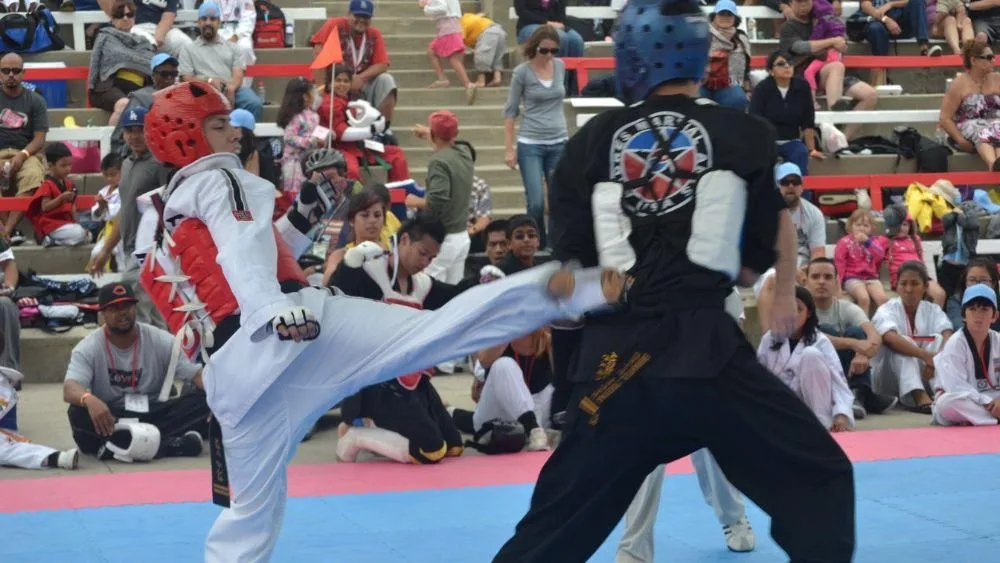
Are there opportunities for advancement or competition in your martial arts programs?
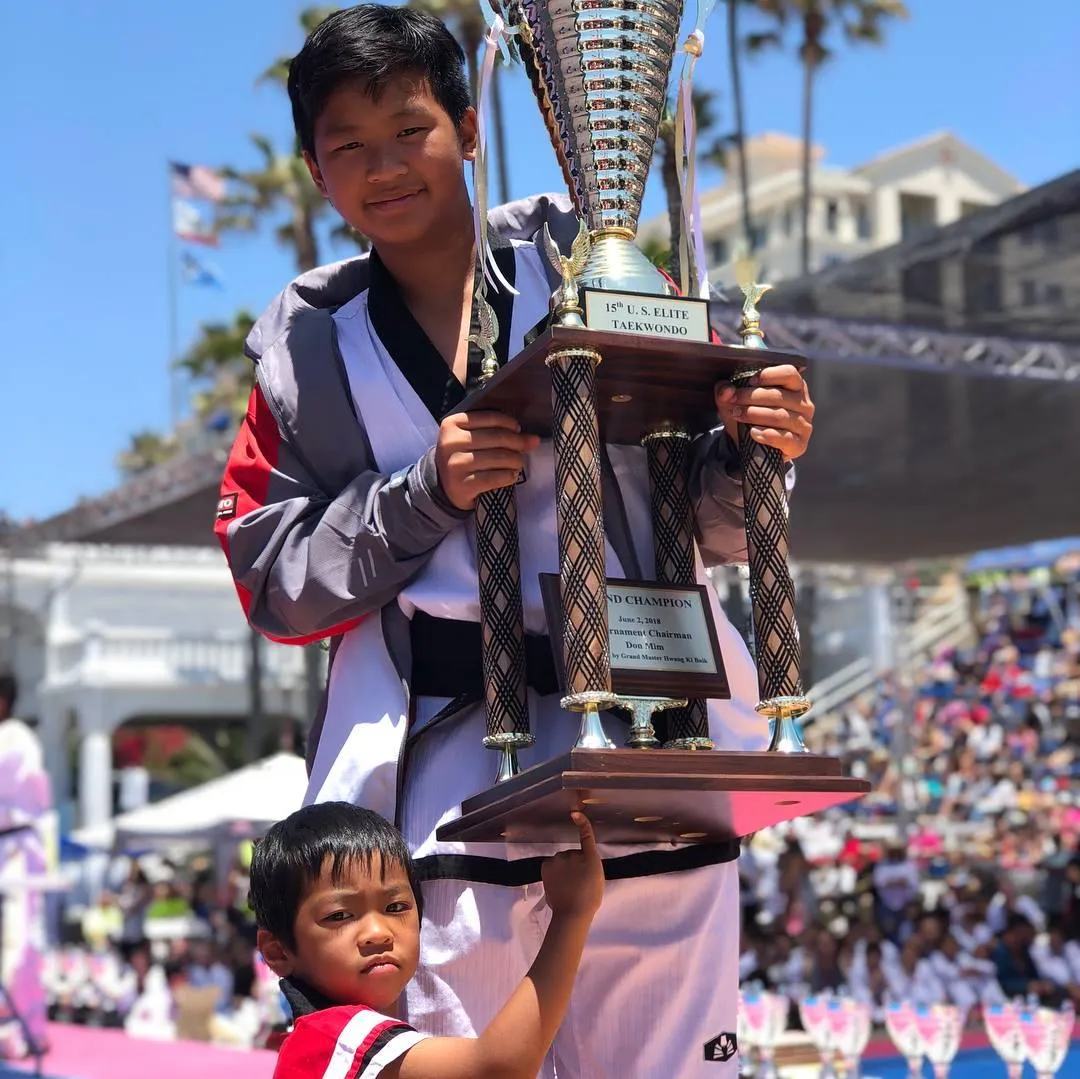
Yes, our programs are structured to allow for advancement through different belt levels, and we offer opportunities for students to participate in competitions. However, competition is not a requirement, and many students enjoy martial arts for the fitness and personal development aspects.
Is there a specific uniform or equipment required for the classes?
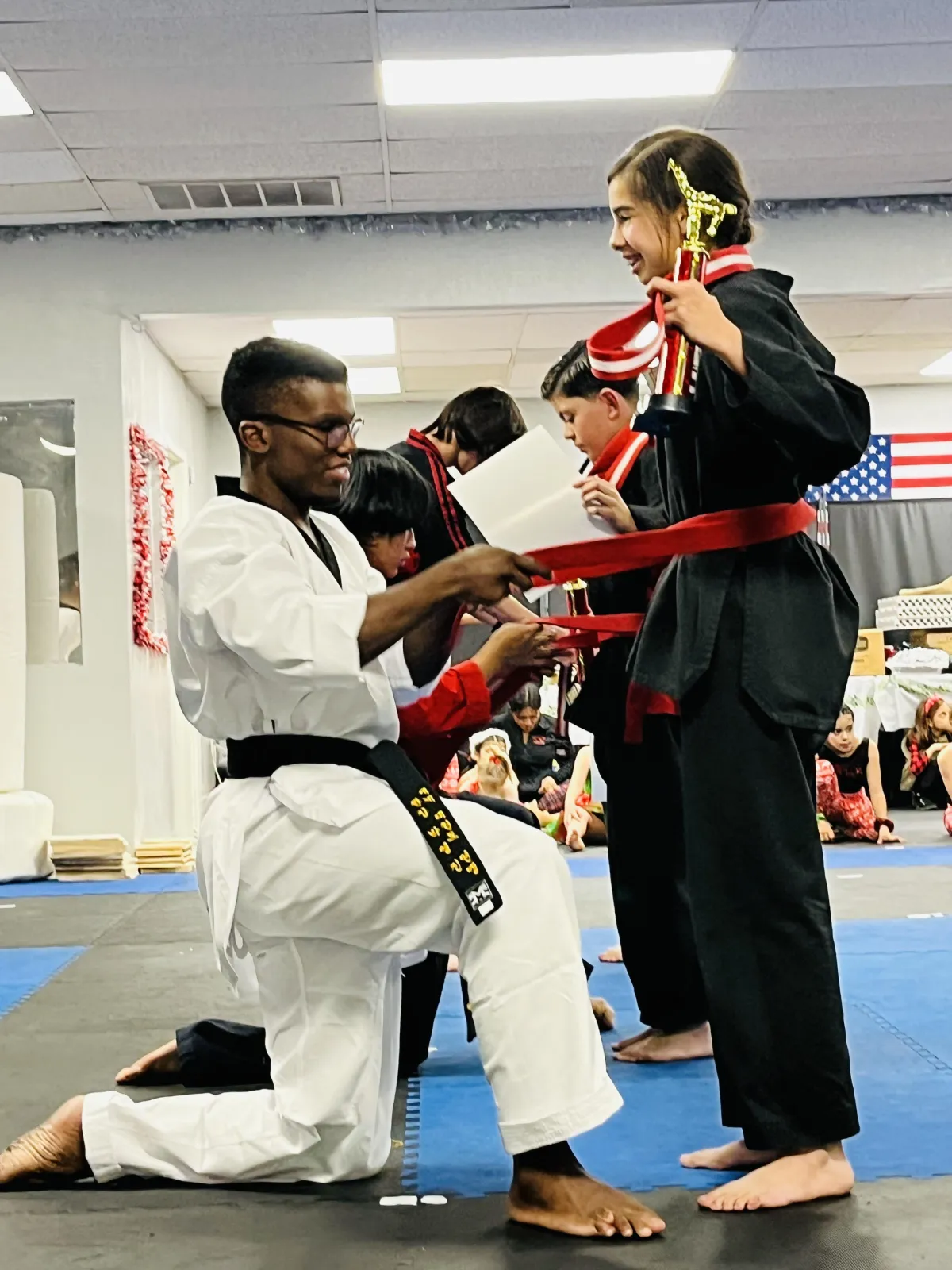
Yes, a specific uniform, known as a ‘gi’ or ‘dobok’, is typically worn during classes. This helps promote a sense of unity and respect among students. As for equipment, it depends on the level and type of class, but any necessary gear will be discussed during the orientation process. Our staff is always available to guide you on where and how to acquire the appropriate uniform and equipment.

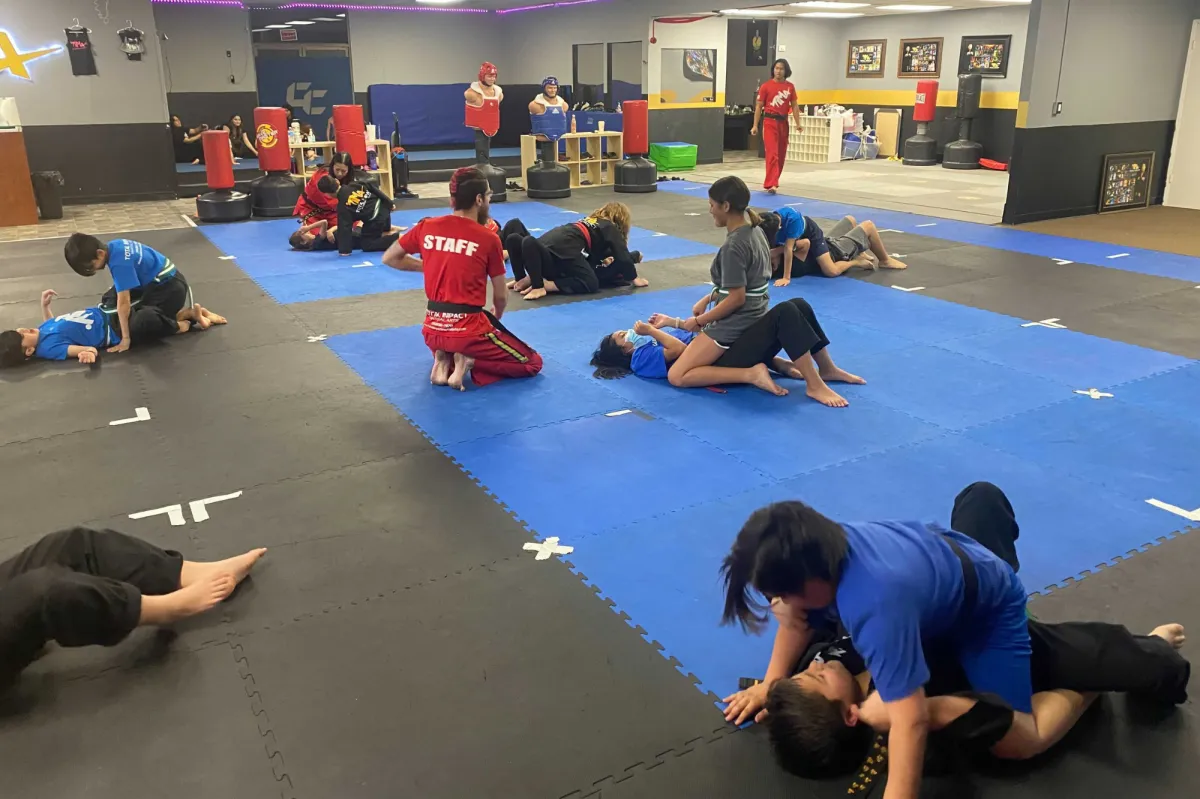
Try a Free Class Today!
Join us for a free class and see what makes our community special. Learn valuable self-defense skills and get a great workout!
Total Impact Martial Arts © 2026 | All Rights Reserved | Powered by Dojo Growth System
Total Impact Martial Arts
28075 Bradley Rd, Menifee CA 92586
(951) 309-9470 (Call or Text)


Schedule
Monday to Friday
4:00 PM - 8:30 PM (Normal Schedule)
Tuesday & Thursday
10:00 AM - 11:00 AM (Adults Only)
6:30 PM - 7:30 PM (Teens & Adults MMA)
Friday
10:00 AM - 11:00 AM (Adults Only)
Saturday
1:00 PM - 3:00 PM (Wrestling)
Private Lessons & Parties by Appointment
Sunday
CLOSED